

Does a Garage Conversion Add Value to a Property? (Essex Guide 2026)
Yes, a garage conversion typically adds between 5 and 10 per cent to the value of a property, making it one of the most cost-effective home improvements available. In Essex, a converted garage costs £15,000 to £35,000 and can add £20,000 to £40,000 in value. The real question is not whether it adds value- it usually does, but whether losing the garage itself affects what buyers are willing to pay, particularly if off-street parking is limited on your road.
This guide covers what a garage conversion adds by type, when it can backfire, and how it compares to building a rear extension instead.

- How Much Value Does a Garage Conversion Add in Essex?
- What Reduces the Value Added by a Garage Conversion?
- Garage Conversion vs House Extension — Which Adds More Value?
- What Can a Converted Garage Be Used For?
- Do You Need Planning Permission for a Garage Conversion?
- How Much Does a Garage Conversion Cost in Essex?
- Frequently Asked Questions
How Much Value Does a Garage Conversion Add in Essex?
The table below shows typical 2026 figures across the main garage types in Essex. Value added is based on a mid-range 3–4 bedroom home.
Garage Type | Typical Cost | Value Uplift | Value Added (£) | Notes |
Integral single garage | £15,000–£25,000 | 5–10% | £15,000–£40,000 | Best option — attached, warmest, easiest building regs |
Integral double garage | £25,000–£40,000 | 8–12% | £25,000–£55,000 | Can create one large room or two separate spaces |
Detached single garage | £20,000–£35,000 | 3–8% | £10,000–£30,000 | Lower uplift — disconnected from house. Better as an office/gym |
Garage + room above | £45,000–£80,000 | 10–18% | £40,000–£80,000 | Effectively, a small extension performs like one, adding a genuine extra room. |
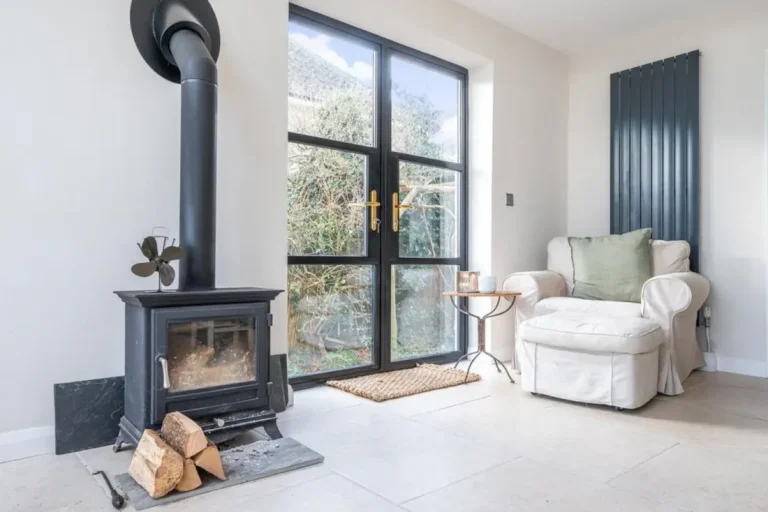
An integral garage, one built into or directly attached to the main house, consistently performs best. It shares walls with the house, making insulation and heating straightforward, and the finished room reads as a natural part of the home rather than a separate structure. A detached garage converts less efficiently: it sits apart from the house, which limits its use to a home office or gym rather than a bedroom, and buyers value it less as a result. A garage conversion combined with a new room built above sits in a different category altogether; it is closer to a small extension than a simple conversion, and its return reflects that. Because it genuinely adds a new habitable room rather than repurposing an existing one, it performs closer to a double-storey extension, which tends to recover its build cost more reliably than a single-storey conversion alone.
What Reduces the Value Added by a Garage Conversion?
A garage conversion is not automatically a good financial decision. There are three situations where it can add less value than expected or reduce it.
1. Loss of parking on a road where off-street parking is scarce If your garage is the only off-street parking on the property and your road has limited on-street parking, losing it can put buyers off. In parts of Essex where parking is tight, Victorian terraces close to town centres, or streets with permit schemes, this is the single biggest risk with any garage conversion. If a driveway remains alongside the garage, this risk mostly disappears. |
2. Poor conversion quality A damp, cold, or poorly insulated converted garage reads as a bad room, not a good one. Garages are rarely built to the same insulation standard as the rest of the house, and if that is not properly addressed during conversion, the new room will feel noticeably colder than the rest of the property. Buyers and valuers notice this immediately, and it undermines the value the conversion was meant to add. |
3. Converting a disconnected garage into a bedroom A detached garage converted into a bedroom, rather than an office, gym, or playroom, can create an awkward layout. A bedroom that is only accessible via the garden, or that has no direct connection to the main house, is harder to sell and harder for buyers to picture living in. Detached garages convert more successfully into standalone spaces that do not need to feel fully integrated, such as a home office or a garden gym. |

Garage Conversion vs House Extension — Which Adds More Value?
Both options add usable space, and both typically add value. The right choice depends on what you already have and what you are trying to achieve.
Factor | Garage Conversion | Single Storey Rear Extension |
Typical cost | £15,000 – £35,000 | £35,000 – £65,000 |
Value uplift | 5 – 10% | 5 – 15% |
Value added (£) | £15,000 – £40,000 | £15,000 – £55,000 |
Loses garden space | No | Usually, yes |
Loses parking | Yes, if in use | No |
Build time | 4–8 weeks | 10–14 weeks |
A garage conversion costs less, £15,000 to £35,000, against £35,000 to £65,000 for a single-storey rear extension, and delivers a broadly similar percentage uplift. In pounds, an extension usually adds more overall value simply because the build is larger, but the return relative to cost is often stronger for a garage conversion, since you are working with a structure that already exists.
The straightforward conclusion: if you have a garage that is genuinely not used for parking, full of storage, rarely opened, or too small for a modern car, converting it is the best-value option available to you. If you need more space on top of keeping the garage and its parking, a rear extension is the better route.
For a full breakdown of extension costs, see our house extension costs guide or our guide to single-storey extensions.
Not sure whether to convert your garage or build an extension?
Kirkwood gives every client an honest comparison as part of a free consultation.
What Can a Converted Garage Be Used For?
What you use the space for has a direct effect on how much value it adds. In order of typical value added in Essex:
- An extra bedroom adds the most value, especially if it takes the home from three bedrooms to four. This is the strongest performer of any garage conversion use, matching the demand that drives most Essex property prices.
- Home office, the second most valuable use. Demand for a genuine work-from-home space has grown steadily since hybrid working became standard, and buyers increasingly ask for one specifically.
- Playroom or family room popular with buyers, particularly families with young children, but adds less to resale value than a bedroom or office.
- Utility room and extended kitchen are practical and well used day to day, but add less to resale value than the options above, since it does not increase the room count buyers search for.
- A gym or hobby room adds genuine lifestyle value while you live there, but minimal resale value unless the room is designed so it can easily convert back to a bedroom or office.
Do You Need Planning Permission for a Garage Conversion?
Most garage conversions in Essex do not require planning permission. They fall under permitted development, as long as the external appearance of the building is not materially altered, keeping the existing roofline and not significantly changing the front elevation, for example.
Building regulations approval is always required, regardless of whether planning permission is needed. This covers insulation standards, electrics, ventilation, and structural sign-off for any openings created between the garage and the house. Kirkwood handles the building regulations package as part of the service for every garage conversion.
Planning permission may be needed if the property is listed, sits in a conservation area, or if the conversion involves a significant change to the external appearance, such as replacing the garage door with a full-height window, for example. Kirkwood works across Basildon Council, Chelmsford City Council, and Brentwood Borough Council and checks your specific requirements as part of the free consultation.

How Much Does a Garage Conversion Cost in Essex?
Conversion Type | Typical Cost (2026) |
Integral single garage | £15,000 – £25,000 |
Integral double garage | £25,000 – £40,000 |
Detached single garage | £20,000 – £35,000 |
Garage conversion with extension above | £45,000 – £80,000 |
What’s included:
- Insulation to walls, floor, and roof
- Plasterboarding and skimming
- First fix electrics — wiring for lighting and sockets
- Extending the central heating system into the new room
- Window and door alterations, including replacing the garage door
- Building regulations application and sign-off
What’s not included:
- Flooring
- Decoration
- Fitted furniture or storage
For more details on how garage conversion costs compare to other home improvement options, see our house extension costs guide.
Frequently Asked Questions
Does a garage conversion add value to a property?
Yes, typically 5 to 10% uplift. In Essex, this equates to £15,000 to £40,000 on a mid-range home, against a build cost of £15,000 to £35,000. The main caveat is parking: if the garage is your only off-street parking and your road has limited alternatives, the value added can be reduced.
Is a garage conversion worth it financially?
Usually yes, especially for integral garages no longer used for parking. The cost is low relative to the value added. A typical example: a £20,000 conversion adding £25,000 in value is a good return, both in cash terms and relative to the disruption involved. The main risk is that losing parking deters buyers in your specific area.
Does converting a garage reduce the value of a house?
It can, in one main situation: if the garage is the only off-street parking and the road has limited street parking. Essex buyers place real value on secure or convenient parking. If a driveway remains alongside the converted garage, this risk is minimal. A poorly finished conversion, damp, cold, or dark, can also detract from value, regardless of the parking situation.
Do I need planning permission for a garage conversion in Essex?
Usually not. Most garage conversions are permitted development and do not need a planning application, as long as the external appearance is not significantly altered. Building regulations approval is always required, covering insulation, electrics, and structural work. Exceptions include listed buildings, conservation areas, or conversions that significantly change the building’s external appearance.
How much does a garage conversion cost in Essex?
A standard integral single garage costs £15,000 to £25,000, including insulation, plasterboard, electrics first fix, and extending the heating system. Flooring and decoration are additional. A detached garage or an integral double garage typically costs £20,000 to £40,000.
Is a garage conversion cheaper than a house extension?
Yes, significantly. A garage conversion costs £15,000 to £35,000, compared with £35,000 to £65,000 for a single-storey rear extension. If you already have a garage that is not being used for parking, converting it is the most cost-effective way to add a room to your home.
What is the best use for a converted garage in Essex?
For maximum value: an extra bedroom, particularly if it takes the property from three bedrooms to four. A home office is the second most valuable use in the current Essex market, reflecting continued demand for a dedicated space to work from home. A playroom or utility room adds day-to-day comfort but less resale value than a bedroom or office.
How long does a garage conversion take?
The build itself takes 4 to 8 weeks for a standard integral garage conversion, covering any minor structural work, insulation, plasterboard, electrics, and plastering. Building regulations approval is needed before work starts; allow 5 to 8 weeks for this, running before the build rather than adding to it.
Have a garage that could be doing more?
Get a free, no-obligation quote from Kirkwood and find out what a conversion could add to your home.

Get an instant design & build quote
Where would you like to extend?

Detached

Semi Detached

Terrace

Bungalow
Kirkwood articles
Straight-talking architecture

Areas We Cover in Essex
We’re proud to help homeowners all across Essex. Some of the areas we serve include: